

How much does a 5KW solar system cost?
When diving into the realm of solar energy, one of the first questions that come to mind is often about cost. Understanding the expenses involved in setting up a 5KW solar system can help individuals make informed decisions and navigate through the available options effectively.
To begin with, let’s break down the costs component by component. The NAVA SOLAR 5KW XSeries 48V Offgrid Solar Inverter, a prominent choice for off-grid setups, is priced at R11499,00. This inverter stands out for its efficiency and ability to operate independently from the main power grid, making it a suitable choice for areas with unreliable grid connections or where going off-grid is a preference.
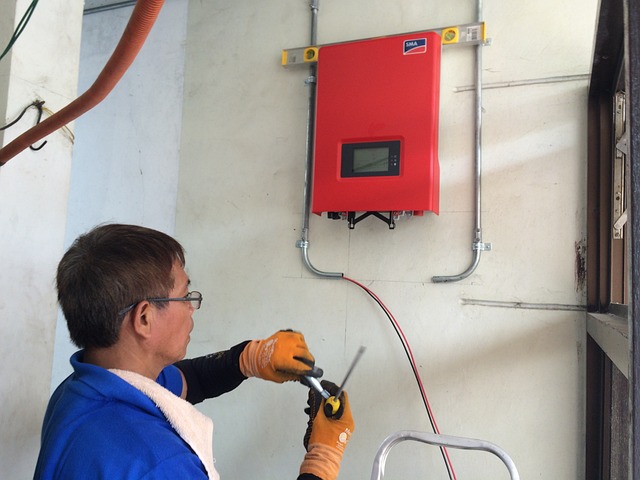
On the other hand, for those looking for a more versatile solution that can seamlessly integrate solar power with grid electricity, the Sunsynk 5KW Hybrid PV inverter comes into play. Priced at R20500,00, this hybrid inverter combines the benefits of solar energy with the reliability of grid connectivity. The inclusion of a Wi-Fi dongle adds modern connectivity features, allowing users to monitor and manage their energy usage remotely.
Moving on to batteries, which are crucial for storing excess solar energy, a typical LIFEpo4 battery with suitable capacity for a 5KW system costs around R25,000. Batteries play a vital role in ensuring continuous power supply, especially during periods of low sunlight or in off-grid setups where grid connections are not available.
Now, let’s explore package deals that offer a convenient way to acquire both the inverter and battery together. The Navasolar LiFePO4 Battery with BMS + 5KW Solar Inverter Package Deal is priced at R34602,00, providing a cost-effective solution for those looking to set up a complete solar energy system without the hassle of purchasing components separately. These package deals often come with added benefits such as compatibility assurances and streamlined installation processes.
When considering solar panels, it’s important to note that prices can vary significantly based on factors such as brand, efficiency, and technology. On average, solar panels are priced around R3.20 per watt. For instance, if we take 4 x 550-watt solar panels (totaling 2200 watts) and apply the average price, the cost would be 2200 x R3.2 = R7040. This cost estimate is for the solar panels alone and does not include installation charges.
Now, let’s discuss the configuration possibilities based on your specific needs and application. A 5KW inverter can accommodate various setups depending on whether you require a complete system with both battery storage and solar panels or just the inverter and solar panels. For example, you could opt for a configuration with the inverter, battery, and 6000 watts of solar panels, providing ample power storage and generation capacity for a typical household. On the other hand, if you have access to reliable grid electricity and mainly seek to reduce your reliance on conventional power sources, a setup with just the inverter and solar panels might suffice.
In conclusion, the cost of a 5KW solar system can vary based on the components chosen, package deals available, and individual requirements. It’s essential to assess factors such as energy needs, budget constraints, and long-term sustainability goals when planning a solar energy setup. By understanding the costs involved and exploring available options, individuals can make informed decisions to harness the benefits of solar power effectively.
For more information or if you would like to discuss a solar energy system tailored to your specific needs, feel free to leave a comment below or contact Tyrone Olsen from Upper Highway Solar. Tyrone specializes in designing and implementing solar solutions that align with individual requirements and preferences. Whether you’re looking for an off-grid setup with maximum independence or a hybrid system that combines solar power with grid connectivity, Tyrone can assist in crafting a deal that suits your energy goals and budget constraints. Don’t hesitate to reach out and start your journey towards sustainable and cost-effective energy solutions today!
Can a 5kW solar system run a geyser?
A 5kW solar system has the potential to power a geyser, but it ultimately depends on several factors such as the geyser’s energy consumption and the solar system’s output capacity. Typically, geysers are rated at 3 or 4 kW, making them compatible with a 5kW solar system.
In terms of equipment, the Navasolar 5kW inverter is capable of handling 6000 watts of solar power. This means that it can efficiently manage the energy required to operate a 3 or 4 kW geyser.
However, it’s important to consider the cost-effectiveness of using batteries solely for powering the geyser. To heat up the geyser once, you would need approximately 2 x 5kW batteries, which may not be practical from a financial standpoint.

A more viable approach is to connect the geyser to an inverter that integrates both grid and solar inputs. During the day, the solar panels can heat up the geyser using renewable energy. If additional heating is needed at night or during periods of low solar production, the inverter can seamlessly switch to grid power. This setup optimizes energy usage and reduces reliance on conventional grid electricity.
By leveraging solar energy during daylight hours and seamlessly transitioning to grid power when necessary, you can effectively manage your geyser’s energy consumption while benefiting from renewable energy sources. This approach not only reduces electricity costs but also contributes to a more sustainable and eco-friendly energy ecosystem.
If you’re considering implementing a solar-powered geyser solution, it’s advisable to consult with a professional like Tyrone Olsen from Upper Highway Solar. Tyrone can provide expert advice tailored to your specific requirements and help you design a system that maximizes energy efficiency and cost savings. Feel free to reach out to Tyrone for personalized assistance in creating a solar solution that suits your needs.
Is 5kW enough to run a house?
A 5kW solar system can indeed power a significant portion of a household’s electrical requirements, encompassing various appliances, lighting, and electronic devices. However, the extent to which a 5kW solar system can run an entire house depends on the specific energy consumption patterns of that household.
At Upper Highway Solar, our typical installations do not connect all electrical appliances and systems directly to the 5kW inverter. Certain high-power appliances such as geysers, jacuzzies, hobs, and ovens are usually left off the inverter and connected to the grid. The reason behind this approach is the substantial power draw of these appliances, which can potentially overload the inverter and cause it to trip out. Instead, we prioritize connecting essential components like lights, plugs, and pool equipment to the inverter, ensuring efficient and reliable power supply to everyday household needs.
It’s important to note that each installation is unique, and our team carefully evaluates the energy demands and layout of each household before determining the optimal configuration. While there are standard practices in place, we always consider the specific requirements of our clients and customize the system accordingly. In some cases, we may connect loads that are typically left off, depending on the overall energy consumption and distribution within the household.
A 5kW inverter serves as an excellent starting point for a solar power system. It provides a robust and capable foundation, allowing homeowners to power essential appliances and amenities. Additionally, the modular nature of solar systems allows for scalability and upgrades over time. If more power is needed or if additional appliances need to be integrated into the solar setup, it’s possible to expand the system by adding more inverters and batteries.
By adopting a modular approach, homeowners can gradually build upon their solar infrastructure, tailoring it to their evolving energy needs. This flexibility ensures that the solar system remains efficient, cost-effective, and aligned with the household’s energy goals. With proper planning and expert guidance from professionals like Tyrone Olsen at Upper Highway Solar, homeowners can create a solar solution that not only powers their current needs but also accommodates future expansions and enhancements.
If you’re considering a 5kW solar system or any solar-related inquiries, feel free to reach out to Tyrone Olsen from Upper Highway Solar. Tyrone’s expertise and personalized approach can help you design and implement a solar solution that maximizes energy efficiency, reduces electricity costs, and contributes to a more sustainable lifestyle.
How many batteries do I need for a 5kW solar system?
When determining the number of batteries needed for a 5kW solar system, several factors come into play. The Navasolar LiFePO4 Battery with BMS + 5KW Solar Inverter Package Deal, which includes the necessary battery for the system, offers a practical starting point.
The key consideration in determining battery requirements is the power consumption of your household loads and the duration for which you anticipate being without solar and grid inputs. Understanding your typical energy usage patterns is crucial in designing an efficient and reliable solar power system.
For the sake of illustration, let’s consider a typical household’s energy usage during evening hours. Essential loads such as lights, plugs, and perhaps some appliances like a kettle or air fryer may collectively consume around 1500 watts of power. However, this consumption can spike significantly if high-power devices are used simultaneously.
Suppose the total power demand during load shedding or periods without solar and grid inputs peaks at around 2000 watts. If the expected duration of load shedding is 2 hours, the calculation becomes straightforward. Multiplying the power consumption (2000 watts) by the duration (2 hours) gives us 4000 watt-hours (Wh) of energy needed to sustain these loads during load shedding.
Now, let’s delve into the battery capacity. A typical LiFePO4 battery included in the package deal is rated at 5kWh (kilowatt-hours). However, to ensure optimal battery health and longevity, it’s recommended to utilize only 80% of the battery’s capacity. Therefore, in practical terms, the usable energy from a 5kWh battery is approximately 4000 watt-hours (Wh).
This means that a single 5kWh LiFePO4 battery is generally sufficient to power the essential loads of an average household through a typical load shedding period. However, this assessment assumes no solar generation during load shedding hours. If sunlight is available and solar panels are installed, the scenario changes significantly.
Solar panels generate electricity when exposed to sunlight, which can be used to recharge the battery during load shedding hours. This solar input can extend the timeframe for which the battery can sustain the household’s energy needs. The actual duration depends on factors such as the size and efficiency of the solar panels, sunlight availability, and the battery’s charging capabilities.
Therefore, while a single 5kWh battery may be adequate for load shedding scenarios without solar input, integrating solar panels into the system can substantially increase energy autonomy. It’s essential to consult with solar experts like Tyrone Olsen from Upper Highway Solar to tailor a solution that aligns with your energy consumption patterns, expected downtime, and sustainability goals.
If you’re considering a 5kW solar system or have questions about battery requirements and energy management during load shedding, don’t hesitate to reach out to Tyrone Olsen. His expertise and personalized approach can help you design and implement a solar solution that optimizes energy usage, minimizes disruptions, and contributes to a greener future.
What happens if you connect too many solar panels to an inverter?
Connecting too many solar panels to an inverter can have several consequences, primarily related to overloading the Maximum Power Point Tracking (MPPT) capability of the inverter. Let’s delve into the potential issues and considerations surrounding this scenario.
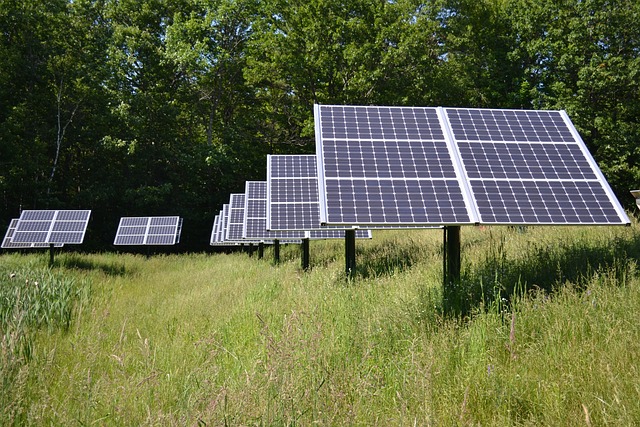
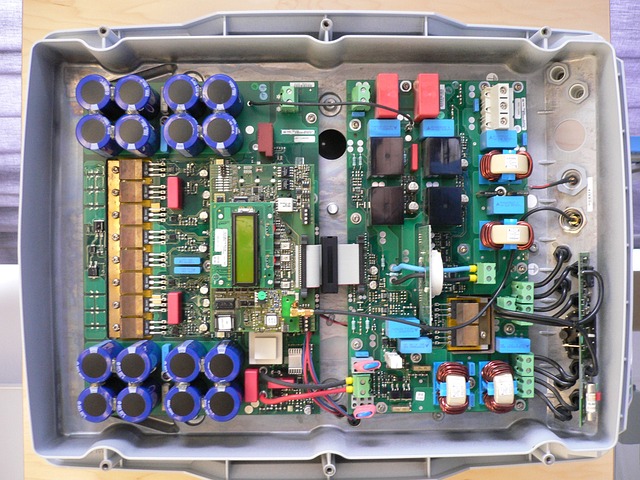
Firstly, overloading the MPPT capability of an inverter can lead to several adverse effects. The MPPT is responsible for optimizing the power output from the solar panels by adjusting the voltage and current to extract maximum power. When too many panels are connected, the MPPT can become overwhelmed, leading to a spike in the DC bus voltage. This spike can potentially damage the inverter’s components, particularly the capacitors and other sensitive electronics.
Reduced efficiency is another consequence of connecting too many solar panels. The MPPT is designed to operate optimally within certain voltage and current ranges. When these ranges are exceeded, the MPPT cannot efficiently regulate the power flow, leading to inefficiencies in energy conversion. This reduced efficiency can impact the overall performance of the solar power system, resulting in lower energy yields than expected.
Furthermore, connecting too many solar panels can pose a risk of damaging the inverter itself. The electrical components within the inverter, such as the capacitors, are designed to handle specific voltage and current levels. Exceeding these limits can cause overheating, component failure, and ultimately, damage to the inverter. This not only compromises the functionality of the system but also leads to costly repairs or replacements.
It’s essential to emphasize the importance of ensuring that the solar panel array matches the specifications and limitations of the inverter. While there is talk of an 11% safety margin to accommodate discrepancies in panel wattage, this is not a confirmed standard and should not be relied upon as a safety measure. Overpanelling by a significant margin can still lead to detrimental effects on the inverter’s performance and longevity.
One critical consideration when installing or specifying solar panels is their wattage compatibility with the inverter. For instance, if your inverter is rated for 6000 watts and you have 540-watt solar panels, the mismatch in wattage can lead to challenges in optimizing the system’s performance. It’s crucial to ensure that the total wattage of the solar panels aligns closely with the inverter’s capacity to avoid inefficiencies and potential damage.
One critical consideration when installing or specifying solar panels is their wattage compatibility with the inverter. For instance, if your inverter is rated for 6000 watts and you have 540-watt solar panels, dividing 6000 by 540 results in approximately 11.11 panels. In practical terms, this means you might opt to install 12 panels, which constitutes overpaneling. It’s crucial to ensure that the total wattage of the solar panels aligns closely with the inverter’s capacity to avoid inefficiencies and potential damage.
In summary, connecting too many solar panels to an inverter can result in MPPT overloading, reduced efficiency, and potential damage to the inverter’s components. It’s vital to ensure that the solar panel array is within the specified voltage, current, and wattage limits of the inverter to maintain optimal system performance and longevity. Consulting with experienced solar professionals like Tyrone Olsen from Upper Highway Solar can provide valuable insights and guidance in designing and implementing a safe and efficient solar power system tailored to your specific needs.
Can an inverter be too big for a battery?
Certainly! When it comes to pairing inverters with batteries, it’s crucial to find the right balance to ensure optimal performance and longevity of your solar power system. In answer to the question, “Can an inverter be too big for a battery?” the short answer is yes.
Here’s a more detailed explanation:
- Battery Capacity vs. Inverter Size: An inverter can indeed be too big for a battery if the battery’s capacity cannot handle the inverter’s power output. In simpler terms, if the battery’s energy storage capacity is lower than what the inverter demands, it can lead to inefficiencies and potential damage to the battery, inverter or loads.
- Mismatched Outputs: For example, if you have a 5kW inverter paired with a battery that can only output a lower wattage, say 2kW, the mismatched outputs can cause the inverter to trip out or operate inefficiently. This situation is akin to trying to fit a large amount of water through a narrow pipe; it’s simply not designed to handle that volume.
- Matching Inverter and Battery: In practice, it’s essential to match the inverter size with the battery capacity. For instance, if you have a 5kW inverter, ideally, you’d want a battery system that can comfortably supply that amount of power without strain or risk of overloading.
- Optimal Pairing: For a 5kW inverter, you might consider pairing it with a 5kW LiFePO4 battery, which provides a balanced match in terms of power output and storage capacity. Alternatively, an 8kW inverter could be paired with two 5kW batteries to ensure sufficient energy supply without straining the system.
- Consider the C Rating: Additionally, it’s crucial to consider the battery’s C rating, which indicates its discharge capability relative to its capacity. The rule of thumb mentioned earlier applies to batteries with a 1C rating. If your battery has a different C rating, such as 0.5C or 2C, you’ll need to adjust your calculations accordingly to ensure compatibility.
- Avoiding Overload: The goal is to avoid overloading the battery or the inverter. Overloading can lead to reduced efficiency, premature wear and tear, and potential safety hazards. By ensuring a balanced pairing between the inverter and the battery, you can maximize the performance and lifespan of your solar power setup.
In summary, while it’s possible for an inverter to be too big for a battery in terms of power output, careful consideration of the battery’s capacity, discharge rating, and matching it appropriately with the inverter’s size can help you create an efficient and reliable solar energy system. It’s always advisable to consult with solar energy professionals or technicians to ensure the correct sizing and compatibility for your specific setup.